
Irritations
Pet peeve - a definition: something that a particular person finds especially annoying.
Perhaps this is how you definitively know that you’re an introvert or a nerd (or both!): nothing makes you happier than spending a Friday evening at home on your loveseat looking up the etymology of a word or phrase and finding great delight and joy in your discoveries.
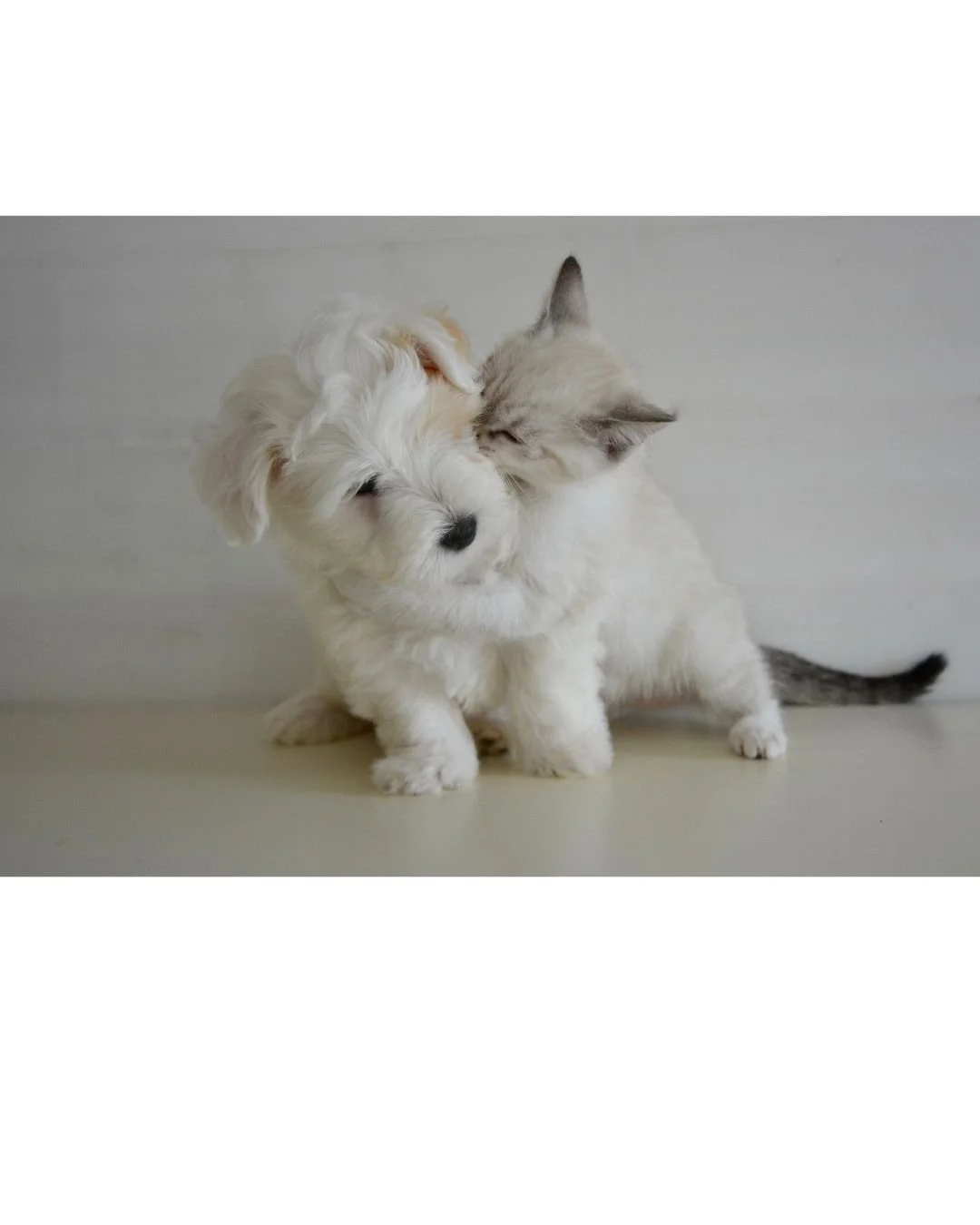
I like to begin with thinking about my own best guess about what I think and then checking to see if I’m right or at least along the correct lines. So when I started thinking about a pet peeve, I assumed that it might have something to do with it being something that we cherish and hold dear, like a sweet kitten or an affectionate old dog. That seems fairly obvious, and perhaps it’s not even something worth writing a post about it. But when I went to look into some of the history of this term, I tilted my head slightly sideways in wonderment at finding out that perhaps the pet part of this comes instead from the concept of pettiness. Pettiness has to do with being easily annoyed.
I’d rather not admit this, but I have always been a person who has far too many pet peeves. Perhaps it’s related to my perfectionism or the OCD tendencies I have or my Enneagram personality One identity, but things can get under my skin sometimes. Well, maybe more than just sometimes - - quite frequently…
Wouldn’t it be a fun post to just start listing them and go on and on about how this or that is exasperating? Probably only for the writer, I’m afraid. However, I will list two just in the interest of providing examples:
It’s necessary to use a comma after a salutation in a letter.
Wrong: “Hi Heather” Right: “Hi, Heather”
2. I can get rather exasperated when I’m driving and someone walks out in front of me because he or she is busy staring at a cell phone instead of paying attention to where his or her feet are going.
In chapter six of her book, Tish Harrison Warren talks about “patterns in family life that make it hard to be patient, gentle, kind” (75). I think that these patterns can easily become pet peeves if we let them.
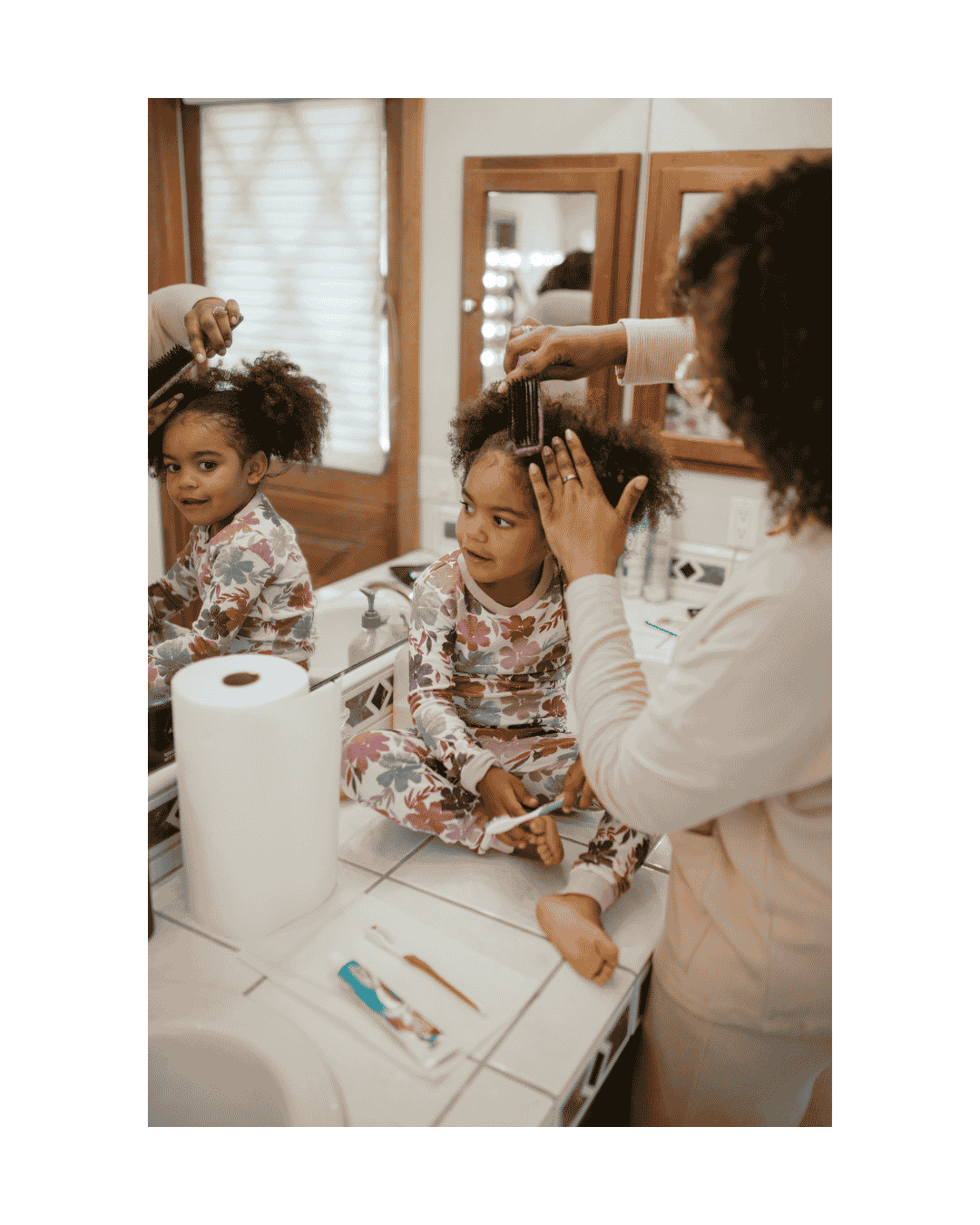
The socks might not end up in the hamper - it’s true. The dishes in the living room aren’t always cleared to the kitchen - yes, it happens. That toothpaste on the sink could easily be cleaned up by someone else, I’m 100% certain of that. My husband could save me just a little more time in the bathroom to get ready on Sunday mornings. Perhaps this one is more wishful thinking: Certainly my children could just figure out a rhythm and routine to who is getting ready for bed first without arguing or debating.

But what do we do with all these tiny conflicts and repetitive discussions? How do we react? Do we keep taking up the sword, which Warren uses as a metaphor, and battling these annoyances? Do we let these seeds of conflict grow into full-grown battlegrounds? These things can wear away compassion in a marriage as surely as constantly dripping water can weather a rock or carve out a canyon, and irritations that don’t find resolution can permanently damage a relationship.

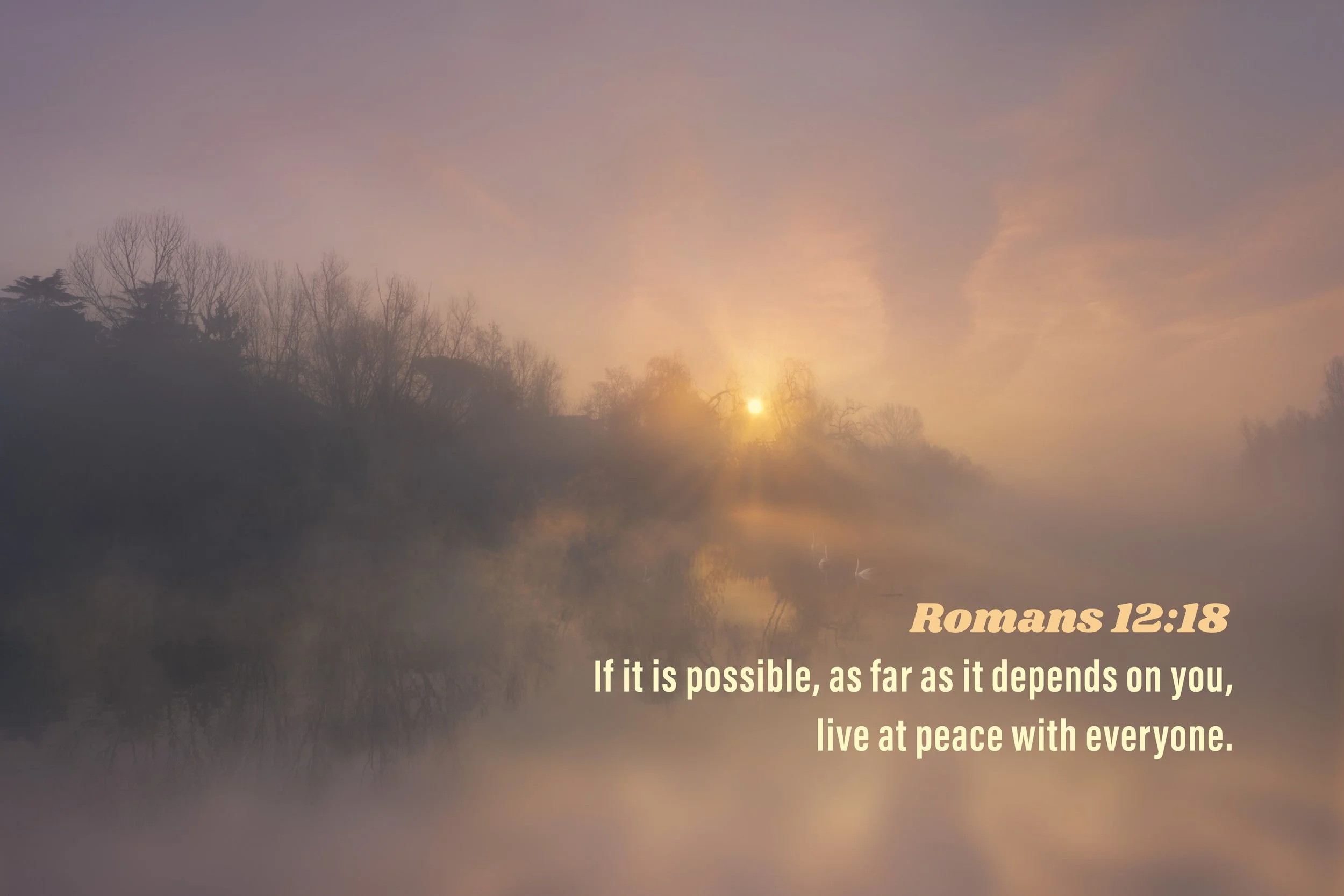
God does not call us to a rumpled spirit; He wants us to walk in His valleys of peace and surrender and to follow this command from Romans 12:18 - “If it is possible, as far as it depends on you, live at peace with everyone.”
This is such a simply stated command that makes it sound so straightforward and so easy, and yet. And yet. It’s hard. Oh, so hard.
Regardless, we will be less peeved if we can stop being so petty. Let the main things be the main things. Don’t give in to the temptation to allow our frustrations and bothers to blur our vision about what really matters.
Focus on what your child or your husband does well and does right and the efforts and the heart behind what they put into their days instead.
Don’t let those things that bother you become like precious pets; instead direct your attention to the positive things that come into your day!
