
Nourishment
Some of us are always looking for the next Big Thing in our lives to arrive. When we’re in high school, we cannot wait for college. While we trudge to our college classes, our minds are contemplating on when our boyfriend may propose. Almost before the wedding is finished, we start ruminating about when we’ll start having children. We can never find contentment in the very moment we’re in because we are always waiting for that possible adventure on our life’s horizon to arrive.
Then you’ll find those of us that eat the same kind of cereal at exactly the same time each morning of our lives. We drive the same way to work, and we check the same news channel or website for information about what’s going on in the world around us. We use the same type of pen we’ve used since we were 12, and our desk is a predictable place of order and predictability, and we like it that way.

No matter where we fall into or between these two categories of worldview, regardless, we can relate to Warren’s prayer about “learn(ing) to eat such things as are set before me, to receive the nourishment available in this day as a gift, whether it looks like extravagant abundance, painful suffering, or simply a boring bowl of leftovers” (65).

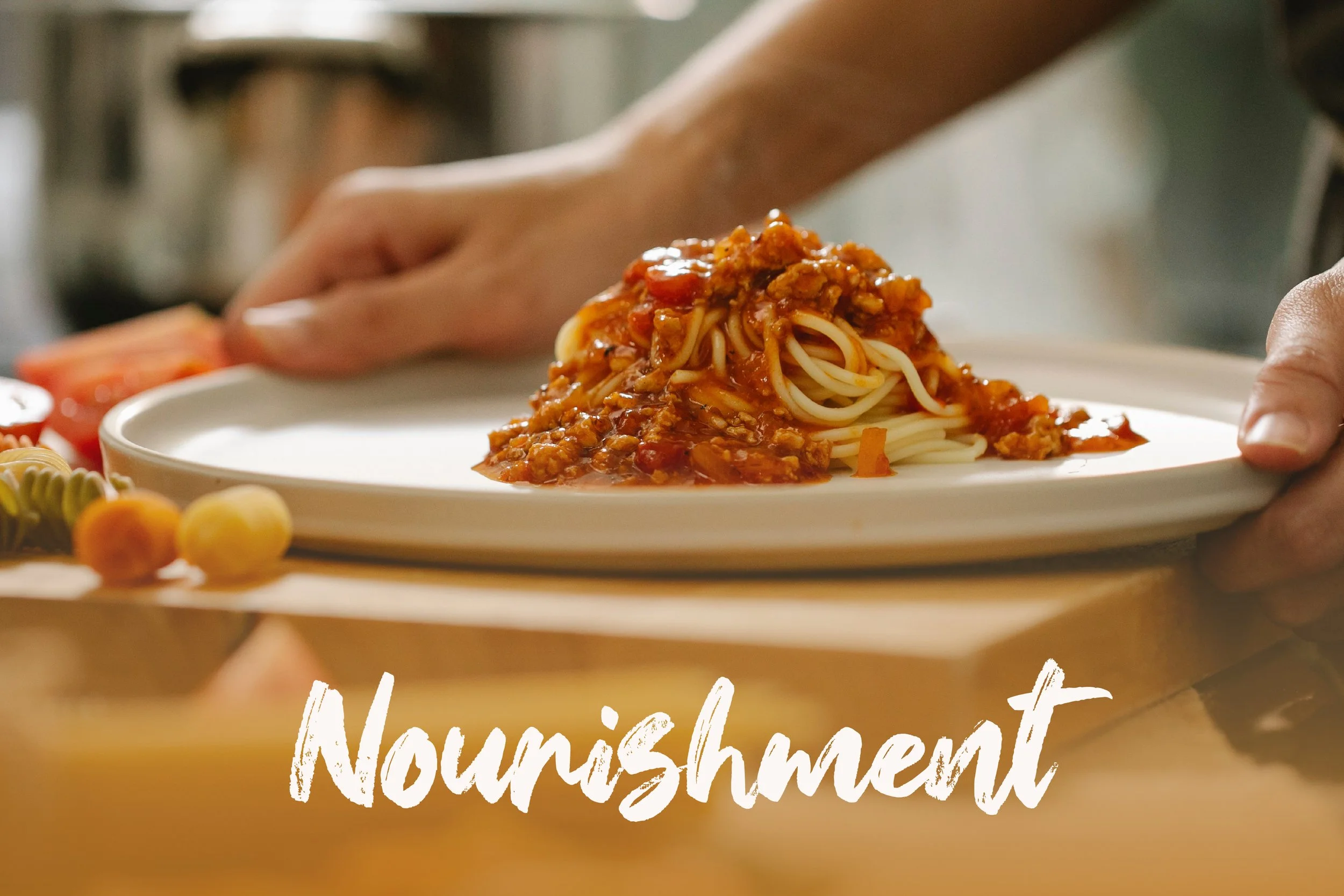
We don’t come naturally by this trait. I remember asking my mom, “What’s for dinner?” as a child, like all kids tend to do, because I liked to know what the plan was, and there were certain answers that made me eager for mealtime (Spaghetti! Steak! Pizza! Cheeseburgers!) and others that made me wish that I hadn’t asked. (Ham, Tongue, Brussel Sprouts, Stuffed Cabbage as a few examples) Let’s face it: we sometimes sit down at a meal, and we aren’t thrilled with the options laid before us.

The same thing happens when we face our day ahead; we look for the “stuff” that we enjoy just like we do at the table with the options presented, and we cannot honestly claim that everything written in that day’s planner (or everything unwritten that we don’t even know about at the break of the day) is going to satisfy our palates. In fact, some of the things on the day’s schedule we may wish that we could just say, “No, thank you” to when it comes our way.
But just like a well-balanced diet representing all the different parts of the food pyramid, for our own health - being that of our soul - we need to learn to see what God is offering us and how we can grow from it and learn from it and become a better person by having gone through it.

I Thessalonians 5:18 advises us, “In every situation, no matter what the circumstances, be thankful and continually give thanks to God; for this is the will of God for you in Christ Jesus.” This ought to be our goal and our aim and where we strive to be. It’s how we should be prepared to respond to whatever God, the Great Physician, sees fit to nourish us with on any particular day.
