Brushing Teeth: Soulfullness
“What we do with our bodies and what we do with our souls are always entwined.” (39) Sometimes I feel like it would be nice to separate those two. Doesn’t it seem like what goes on in our souls should be at a higher and holier plane somehow? But Warren is right; I can’t deny the truth in her statement. When I’m doing something kind for someone like powerwashing a driveway for an elderly fellow church member with my hands, my soul is also reaping encouragement and reward from the experience at the same time.
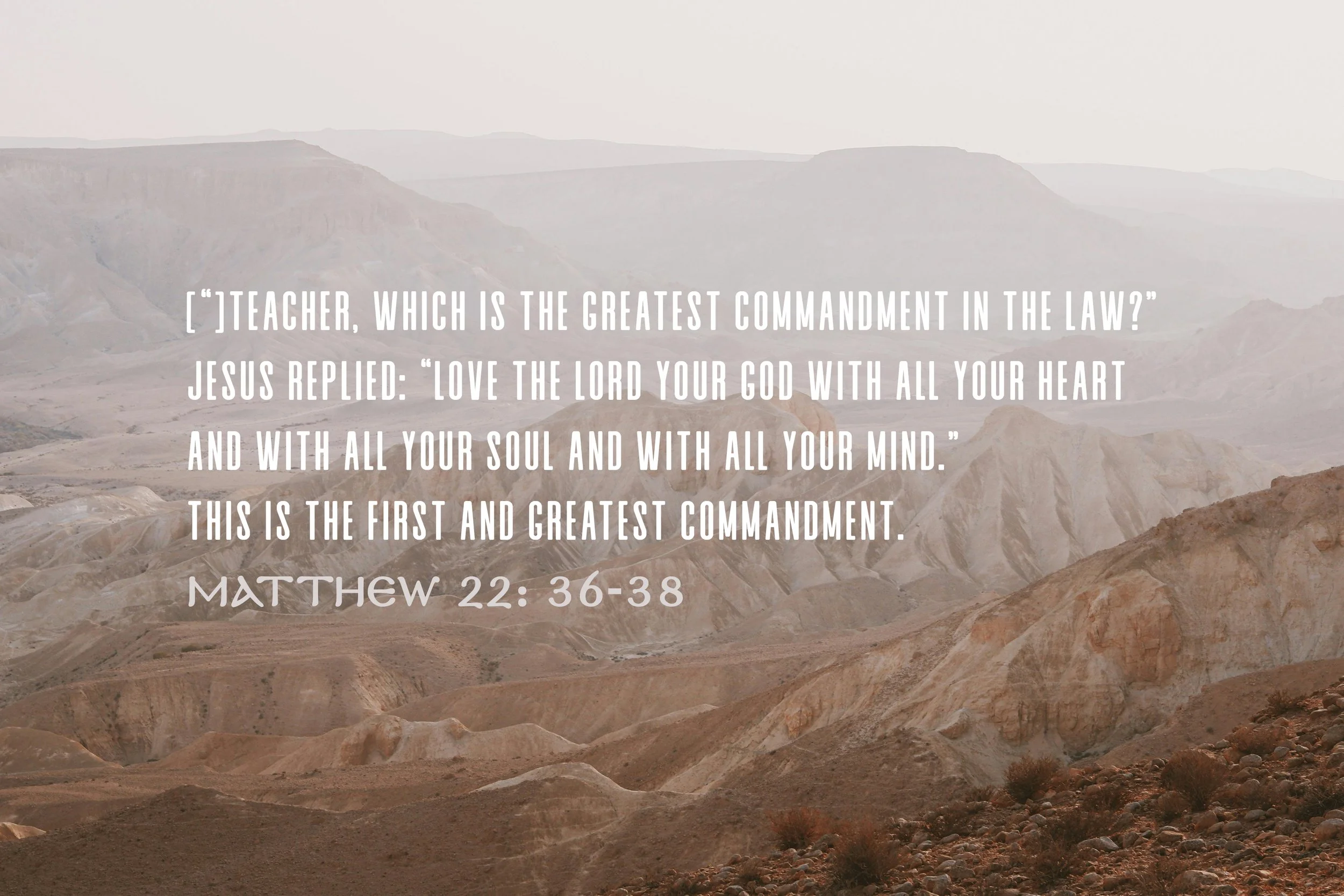
Matthew 22: 36-38: “Teacher, which is the greatest commandment in the Law?” Jesus replied: ‘Love the Lord your God with all your heart and with all your soul and with all your mind.’ This is the first and greatest commandment.”
Over the summer I’ve been creating a world history curriculum for my 7th and 8th grade children for the upcoming school year. It’s been a fascinating and exciting journey (remember: I am a homeschool mom, so I am 100% allowed to have a pass to be a nerd taking joy in tasks like this) as I remember and also discover things about the years from 1450-1750. One of the things that I encourage my kids to focus on in the month spent on the Renaissance is how the Europeans kept glancing over their shoulders and seeking wisdom from the ancient Greeks and Romans. Aristotle, in particular, spent immeasurable hours thinking about the idea of a soul and a body. In fact, as I struggled with how I wanted to talk about this dualism of humanity living each day in the reality of body and soul, I tried to stimulate my thinking by checking out what Google had to say about this topic. The AI quick version of Google informed me of this:
Aristotle viewed the soul not as a separate entity, but as the form or principle of life that gives form to a living body. He considered the heart to be the primary material organ of the soul. It's the origin of both sensory perception and movement, and it's responsible for the body's vital functions and activities. The soul, in Aristotle's view, is not a thing that occupies the body, but rather the capacity of the body to perform its functions.
His conception of that idea of body and soul pushed my thinking even further toward the idea that the intertwining of these parts of us as humans don’t rank as separate and unique in that one is “sanctified” and one is “ordinary”. They are necessarily and intentionally connected. In fact, perhaps some of the things in my life that I might be tempted to think of as tedious or wearying are in actuality helping to form my soul, my essence, and my very being at its deepest level. What a powerful thing to remember when I find myself tempted to complain or grumble!
Psalm 103: 1-2 from The Message reminds me too:
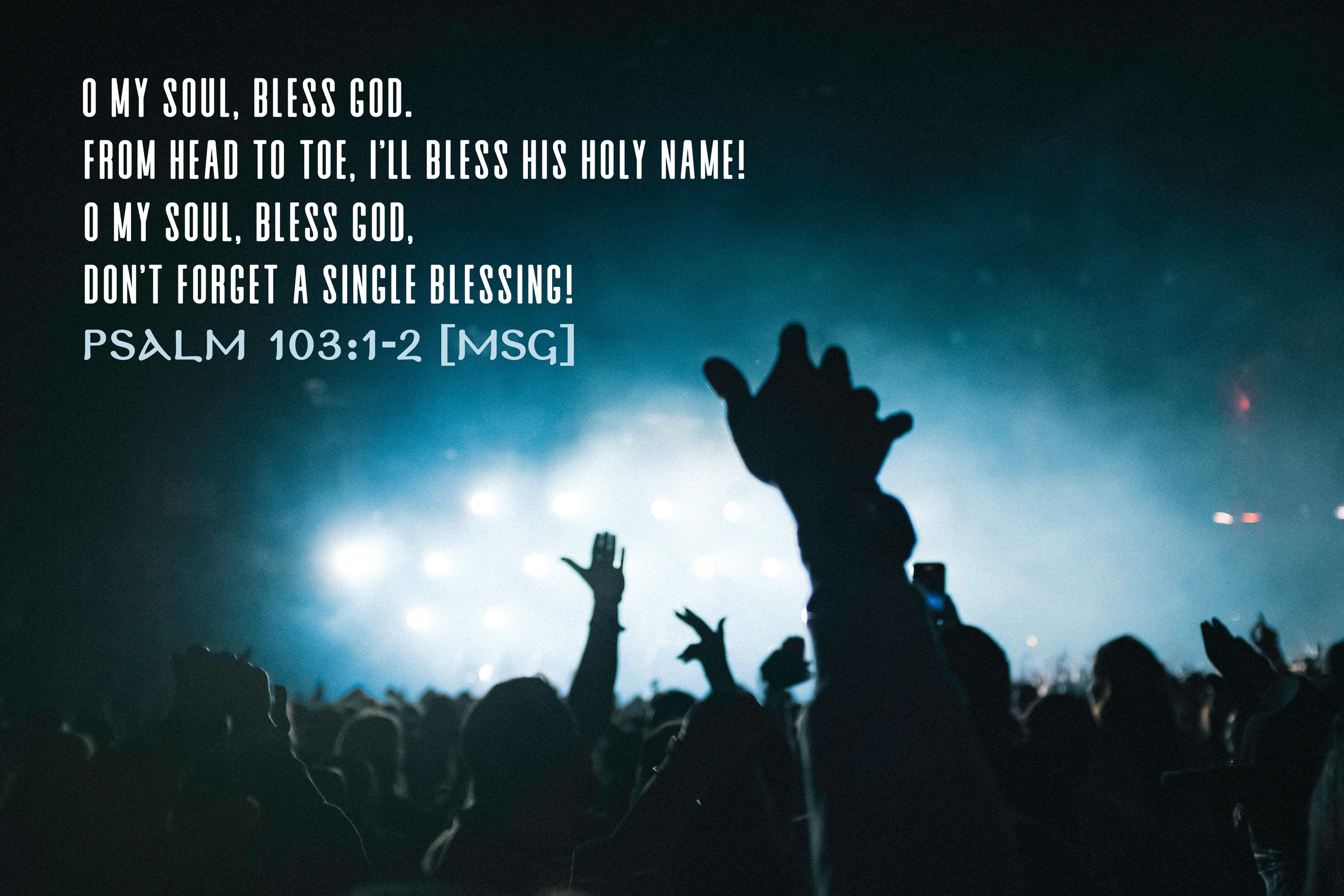
“O my soul, bless God.
From head to toe, I’ll bless his holy name!
O my soul, bless God,
don’t forget a single blessing!”
What I do outwardly with my hands and feet and the rest of my body are being reflected inwardly in what I’ve often thought of as my soul - the eternal part of me - as well as in my thoughts.