Making the Bed: Liturgy
Liturgy: A collection of formulas according to which public religious worship, especially Christian worship, is conducted. The church that my family and I attend does not refer to our weekly worship service as a “liturgy”. That word always sounds vaguely Anglican or Catholic to me. To be honest, a “liturgy” sounds a little dry and antiquidated to me, like a word that you have to blow off the dust before you use it in regular everyday speaking. It makes me think of there being a certain way to do a certain thing in a certain order, and so I don’t necessarily picture myself living my life by liturgies.

But as I engaged with this text, I came away better understanding that indeed I do live my life in certain formulas/routines/patterns, whether I would use that particular word for them or not. And a crucial question that comes to mind is, “How much of this time do I fritter away?” I’m sure we could all list ways that we “fritter” - this is a much more modern word than “liturgy” and quite the opposite in so many ways: dictionary.com defines it as: “to waste time, money, or energy on trifling matters”. Ah, yes, I know precisely what frittering means in my life. Imagine that someone gave you $2,000 for your birthday, and you chose to go and spend it all at the Dollar Store. Now I’m not knocking dollar stores, for they certainly have their place in this world at certain times for certain things (wrapping paper, anyone? Best deals on thank you card packs anywhere to be found!), but think how the gift-giver would view your table of “stuff” that you chose to fritter away that generous gift that could have purchased you something ever so much more valuable!
“Examining my daily liturgy as a liturgy - as something that both revealed and shaped what I love and worship - allowed me to realize that my daily practices were malforming me, making me less alive, less human, less able to give and receive love throughout my day. Changing this ritual allowed me to form a new repetitive and contemplative habit that pointed me toward a different way of being-in-the-world” (31).

God doesn’t want us frittering away His gift of time on trifling matters - - trinkets, if you prefer. It can start to hit close to home when you start to honestly evaluate what you love (and how that can become a form of worship) - - as I continue to swirl the idea around in my head that what I do with all of these little moments in each of my days make up the essence of who I am, and I start to ponder my liturgies, if you will, at different ages in life.
The little girl version of me was definitely a child of rituals - I loved knowing the predictability of any given day and what it would bring. As I grew older too, my days and seasons fell into predictable patterns revolving around school, music lessons, and sports. When I became a teacher after college, the days and weeks naturally fell into routines that were determined by when our “specials” classes were. Anyone who has spent time in a school knows that the ringing of a bell is an indicator that you are about to transition to something different - perhaps it’s morning recess, or maybe it’s time to come in from the playground. You grow acclimated to those timeframes (my sister-in-law, who is still a teacher, has had her classes lunchtimes scheduled at 10:45 a.m. in certain school years), and you go with them and learn to adjust your patterns to those bells.
When I got married, I learned to synchronize my rhythms with my husband, which was surprisingly easy for us to figure out a way to make our habits flow together, and we developed those new liturgies of our life together. As any mother knows, though, once children start arriving to a family, you find that any sense of order that you might have grown used to disappears as you become somewhat subject to the child’s somewhat sporadic (especially in those first weeks and months!) Multiply this by more children, and life becomes even more of an adventure!
Going back to the idea of examining one’s daily liturgies and how they reflect our passions and priorities, I wonder about how God reacts to my different uses of my time. Tish Harrison Warren reminds us, “The often unseen and unsung ways we spend our time are what form us.” 32
Maybe we love to train and to run, perhaps we find cleaning our house top to bottom satisfies our soul, others among us love to cook and bake, and some of us find fulfillment in our careers. Certainly there are people reading this who love to go out for coffee with a friend and chat, and others of us that prefer snuggling up with a good book. While you might find some of us hiking in the woods or mountains, others of us are stretched out in the sand at the beach. Maybe your idea of a good day is a successful day of shopping or perhaps the number crunching you did to make the new budget work brings you flutters of delight. All of us are different (God’s so amazing that way!), and yet every single one of us is called to be accountable in the ways we spend our currency of time.
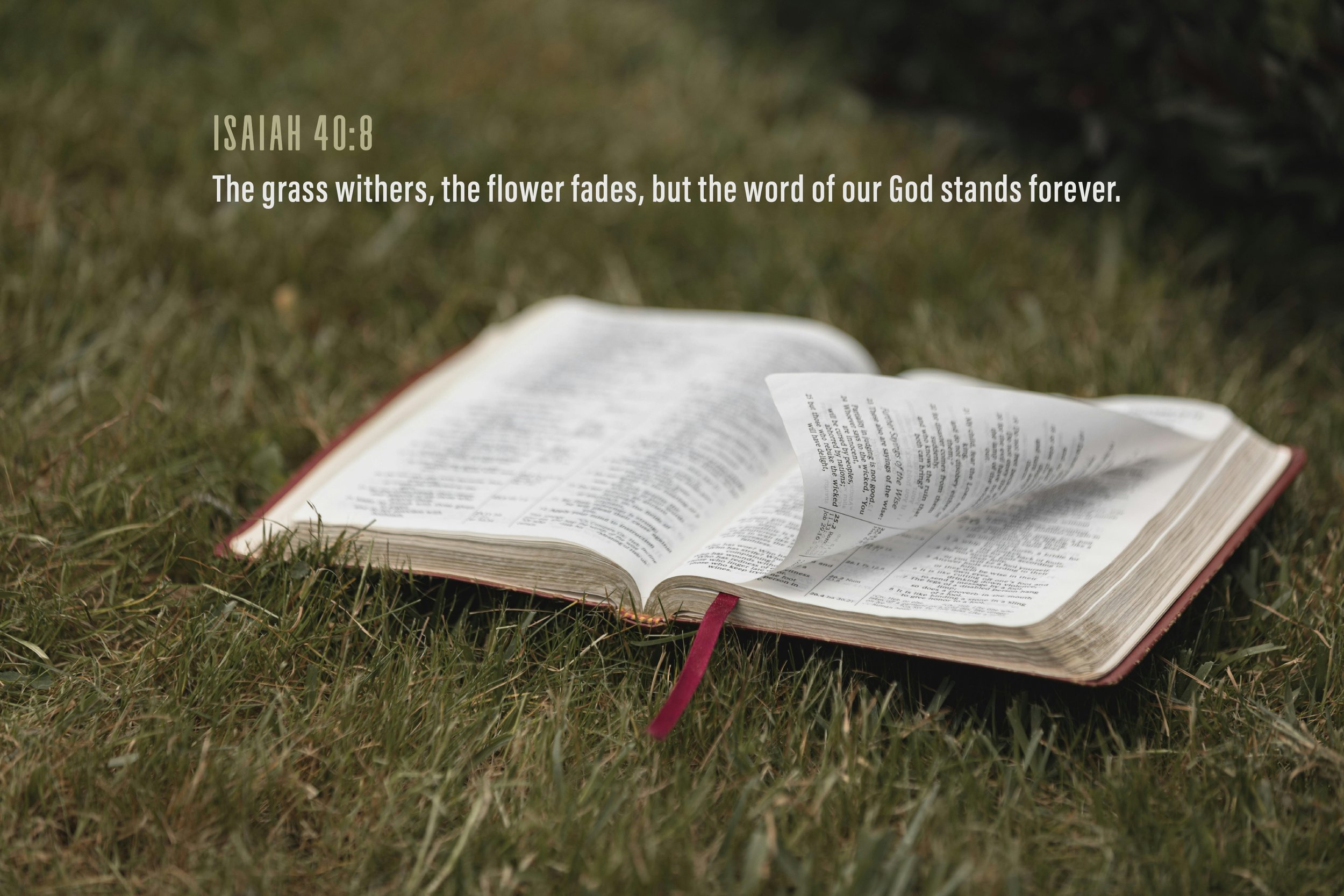
Isaiah 40:8 reminds us, “The grass withers, the flower fades, but the word of our God stands forever.” The only thing that stands solid as time slips away from us all is the Holy Scripture. Surely this verse should prompt us to spend time opening our Bible each day and seeking God’s voice speaking to us. Is spending time with God part of your daily liturgy? That choice is precisely the opposite of frittering and instead looks like implementing a lovely liturgy. As Sarah Beth Marr writes in her book Whispers and Wildflowers, “[these times] are when the God of the universe will whisper love notes from His Word to your heart, shape your identity, and teach you to look to Him for significance” (201). Let’s not settle for dollar store trinkets to our soul when God has so generously blessed us with so many other options to worship Him every day of our lives.