
Flood
When the big moment of decision came, and I stood at the crossroads of one path or another, I took it seriously. I prayed, and I pondered. I debated and imagined. I thought about other people’s choices and life decisions and how their choices had impacted them. I even attempted double exposure: I tried to take my old existence and combine it with what my life looked like then at this moment of decision. Through all this, I looked at the experiences that had given me a peek at what it might be like to jump off into one extreme or another.
So I reflected back to the days when I had done some substitute teaching, as that was the most similar to my day-to-day activities of teaching full-time before having children. I had done two years of teaching after the first baby but struggled almost daily with balancing motherhood and working. Sometime after Baby #4 entered our family, I even did an extended subbing job in kindergarten while the teacher was undergoing surgery and taking some recovery time away from the classroom. As I analyzed how that couple of weeks had gone, little by little, the choice became clearer to me. I was not cut out to work full-time in a classroom when I had four children ten and under of my own in my house.
Some people can. Some people do it extremely well, and that is a beautiful and astounding thing to me! But people like me… well, the aphorism inscribed at the Temple of Apollo at Delphi, “Know thyself” certainly applied to my situation. I might have a nervous breakdown as a result of my OCD and perfectionist tendencies I know have always been a part of my DNA.

As I read this quote in chapter four, “Like a rising flood, inch by inch, the collective sadness and frustration mounts and I snap”, (53), I immediately thought of those days of subbing and the way that I had used up all my patience on other people’s kids that day. So when one of my own children asked a question like the innocent but eternal one, “What’s for dinner?”, my response - really more of a snap - was one lacking in kindness and gentleness. Going back to work full-time as a teacher, my chosen career prior to having children, seemed like a recipe for disaster for our family at that stage of my life.
Many of us in this country are fortunately not challenged by daily survival issues (“Where will my next meal come from?” or “Will I make it to the bomb shelter in time?” or “How will I find clean water?”) or life and death situations like so many of the people on this planet. People in this country live an incredibly and almost absurdly fortunate existence, if one were to analyze our lives by our possessions and technology and income. We jokingly refer to our relatively small frustrations as “first world problems”. And yet how we face those seemingly minor complications that persist in coming into our lives will reveal to us where our weaknesses are and what pushes us over the edge. In those moments, Warren encourages us to see “an opportunity for formation, for sanctification” (54). We see the “lostness inside [ourselves] and [our] misplaced reliance”, as well as our profound need for grace (54).
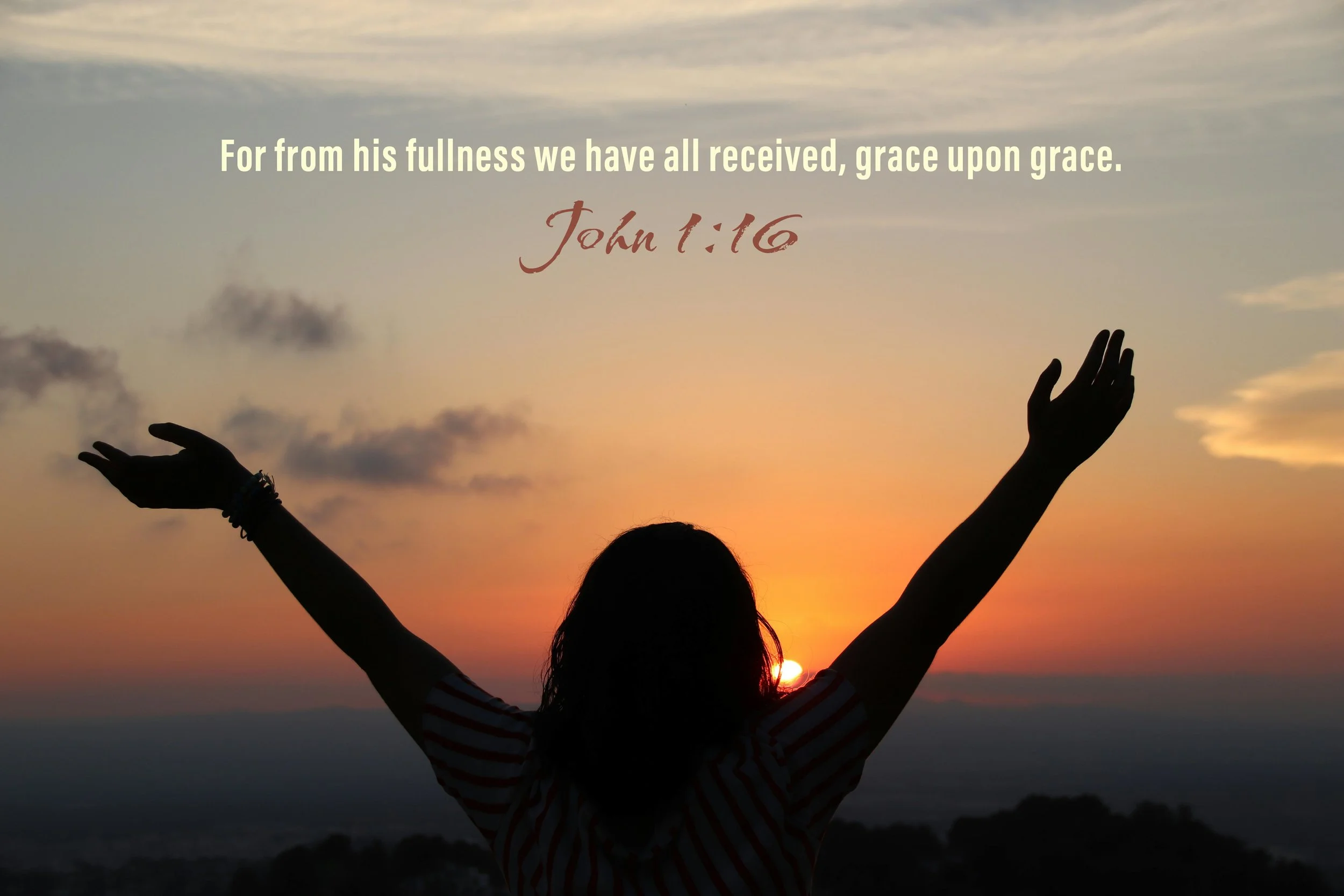
John 1:16 reminds us, “For from his fullness we have all received, grace upon grace.” When we falter and when we doubt, when things don’t go our way, we can embrace the grace He is ready to pour out on us even in the little things. “When suffering is sharp and profound, I expect and believe that God will meet me in its midst. But in the struggles of my average day I somehow feel I have a right to be annoyed. The indignations and irritations of the modern world feel authentic and understandable. I’m no Pollyanna. In a shipwreck, yes, of course, “Be content.” But the third day in a row of poor sleep and a backed-up sink? That’s too much to ask” (55). May God grant us the ability to pay special attention to our breaking points and for us to surrender those moments to His ability to form our characters and mold us into more Christ-like creatures in those vulnerable times that pull off who we try to be and reveal who we really are.
