
Prayer
When my two siblings and I were growing up, every night one of my parents would come into one of our bedrooms, and all of us would kneel by the side of the bed and sing our bedtime prayer together. The main one that we would sing is one that I jokingly tell people has seared itself into my consciousness and the way that I live my life.
Dear God,
Another day is gone,
Forgive what I have done that’s wrong.
Tomorrow I will try to be
As very nearly perfect as I can be. Amen.
As an adult who is very aware of being a self-diagnosed perfectionist, I am not entirely certain about the accuracy of the theology in this goal of an attainment of an absence of sin, but my point here is more about the posture of our prayers than about the specific lyrics.
Warren shares a deeply personal time in her life when she was having difficulty praying due to some of the hard things going on with her circumstances in life. “In the midst of this, though words failed me, prayer without words - prayer in and through my body - became a lifeline. I couldn’t find words, but I could kneel. I could submit to God through my knees, and I’d lift my hands to hold up an ache: a fleshy, unnamable longing that I carried around my ribs. I’d offer up an aching body with my hands, my knees, my tears, my lifted eyes. My body led in prayer and led me - all of me, eventually even my words - into prayer.”
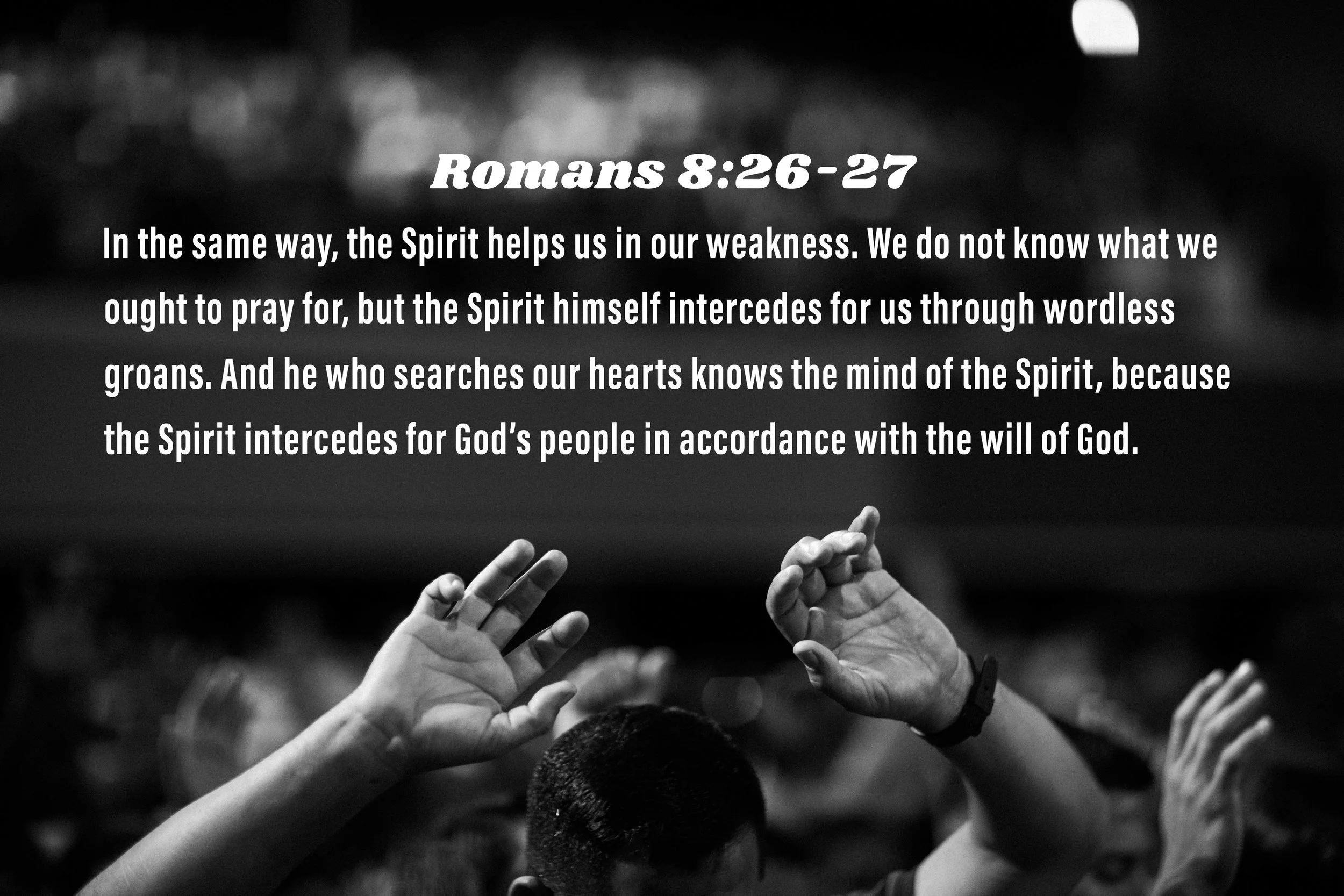
We all have those times of challenge sometimes in our prayer lives, and God calls us to continue to come to kneel before Him, yes, even those times when we don’t know what to say. Another book that I’ve been reading lately resonated with this as well. When we feel parched, drained, and empty… like we’re walking through a valley, we can use our eyes and voices to do what author Sarah Bessey shares in her book Field Notes for the Wilderness:
This is why noticing can also be a form of prayer and of praise and even of worship again. It’s a conversation with God, in which we say, Yes, I see the sanctuaries and altars and invitations of this place, these people, this moment, and I won’t miss it. It is precious and important and fleeting, as vital as water tumbling over rocks and coyotes trotting through fields and piles of books. Pausing to notice and name, especially when we are sad or discouraged, tired or overwhelmed, is as good as hallelujah. It’s a practice for the wilderness. (109)
Prayer should be a time when we surrender to God and hand over the proverbial reins to Him, even when somewhere in our hearts we’re aware that we never held them in the first place. We give up our pride, and we bow our head; we acknowledge that we are going to stop trying to grab control and let God be God. Our bodies and their postures can open our hearts to what God is seeking to teach us. When we finish and breathe our closing word of “Amen”, we can continue praying with every breath - seeking God’s face and letting our “Amen” - - translated Let it be so - - become our heartbeat.